Horse Racing Wordart Sublimation
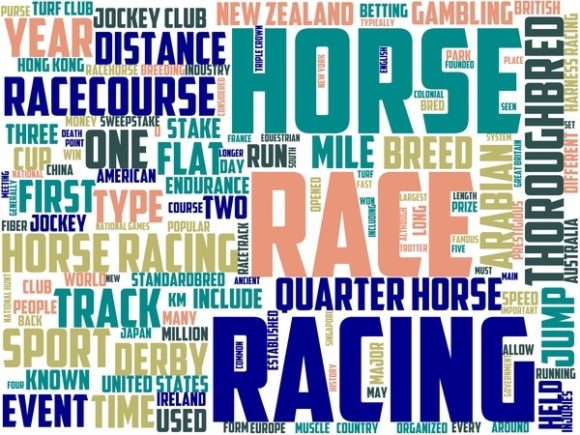
If you’ve ever tried to capture the energy, tradition, and thrill of horse racing in a visual way—without relying on photos or generic clipart—you’ve likely landed on Horse Racing Wordart Sublimation. It’s not just decorative text. It’s a hand-drawn, colorful wordcloud where every word—gallop, Derby, jockey, steeplechase, hoofbeat, finish line, silks, odds, post time—is carefully placed, sized, and styled to reflect rhythm, motion, and personality. Designed for sublimation printing, it transfers cleanly onto polyester fabrics, ceramic mugs, aluminum tumblers, coated wood, and more—making it ideal for custom apparel, event décor, promotional merchandise, and handmade gifts.
Why This Wordart Stands Out (and Why It’s Often Misunderstood)
Many assume “wordart” means low-resolution clipart or overused fonts layered haphazardly. That’s not what this is. The beauty of Horse Racing Wordart Sublimation lies in its intentional craftsmanship: organic linework, balanced negative space, thoughtful color gradients, and typographic variety that mimics handwritten notes, vintage race programs, and equestrian signage. But because it’s marketed broadly—as “printable,” “digital download,” or “sublimation design”—people often overlook critical distinctions before using it.
Common Oversights—and What They Cost You
Assuming all files are sublimation-ready. Not every “horse racing wordcloud” download includes high-resolution vector (AI/EPS) or 300 DPI PNG files with transparent backgrounds. Some sellers offer only 72 DPI JPEGs—fine for web banners but disastrous for heat-transfer printing. Blurry edges, pixelated text, and washed-out colors result—not from your printer or press, but from the source file itself. That means wasted blanks, reorders, and frustrated customers.
Ignoring color mode and ink compatibility. Sublimation requires RGB color profiles—not CMYK. If a designer provides a CMYK version (common in print-focused shops), your vibrant red silks may shift to burnt orange, and deep navy jockey caps could turn muddy gray after transfer. Always verify the file uses RGB and includes a soft-proof preview showing how colors behave under heat and pressure.
Overlooking licensing scope. A $5 digital download might grant personal use only—no resale of finished products, no use on Etsy or Shopify storefronts, no inclusion in client branding packages. One creator assumed their “commercial use” license covered unlimited physical products—only to receive a takedown notice when selling tote bags featuring the wordcloud at a local derby festival. Licensing isn’t just legal fine print; it protects your time, reputation, and revenue.
Skipping substrate testing. Even perfect files behave differently across materials. A design that pops on a white polyester pillowcase may fade on heather-gray fabric or bleed slightly on ceramic mugs with uneven coatings. Skipping a small test batch—on the exact blank you plan to sell or gift—means missing subtle alignment shifts, color saturation loss, or edge haloing until it’s too late.
How to Choose—and Use—Horse Racing Wordart Sublimation the Right Way
Start with clarity: know *why* you need it. Are you designing race-day staff shirts for a local track? Creating motivational wall art for an equine therapy center? Building a boutique collection of Derby-themed stationery? Your goal shapes what matters most—file type, color fidelity, scalability, or licensing flexibility.
Check these three things before downloading or buying:
- File formats included: Look for vector (AI/EPS/SVG) + high-res PNG (300 DPI, transparent background). Avoid downloads offering only JPG or low-DPI PNGs—even if they look sharp on screen.
- Licensing terms written plainly: Reputable creators state usage rights clearly—not buried in 200-word legalese. “Commercial use” should specify whether it covers physical products, digital templates, resale, or client work.
- Realistic mockups or test prints: Good sellers show actual sublimated results—not just flat Photoshop previews. Look for side-by-side comparisons: design file vs. mug vs. cotton-poly blend tee. If none exist, ask for one before purchase.
Once you have the right file, optimize your workflow: resize *before* sending to your cutter or RIP software—never scale up in the printer driver. For textiles, mirror the image horizontally first. And always pre-press your blank for 5–10 seconds to remove moisture and wrinkles—it makes a measurable difference in edge sharpness and color vibrancy.
Better Alternatives When Horse Racing Wordart Sublimation Isn’t Quite Right
Sometimes, the perfect solution isn’t a ready-made wordcloud—but a customizable template. Some designers offer editable PSD or AI files where you can swap words, adjust colors, or add your venue name or event date. That’s smarter than forcing a static design onto a timeline-driven campaign.
Other times, pairing the wordcloud with complementary elements works better: layer it over a subtle watercolor texture, frame it with hand-drawn horseshoes or ribbon motifs, or combine it with a clean sans-serif headline for contrast. It’s not about using *more* design—it’s about using *smarter* hierarchy.
And if you’re building a brand—not just making one-off items—consider commissioning a custom wordcloud. A designer can tailor word weight, emphasize your core values (“trust,” “grace,” “precision”), integrate your logo mark, or align typography with your existing palette. Yes, it costs more upfront—but it avoids mismatched aesthetics, licensing friction, and rebranding later.
Whether you’re a hobbyist stitching race-themed throw pillows, a small-batch entrepreneur launching a Kentucky Derby collection, or a marketing coordinator planning corporate hospitality kits—Horse Racing Wordart Sublimation is a versatile tool. But like any tool, its value comes not from how flashy it looks in the listing, but how thoughtfully it’s selected, prepared, and applied. Pay attention to the details others skip: resolution, color space, permissions, and real-world behavior. That’s how good design becomes great results—every time.